All Concerning Baby Garments: Recognizing the Advantages of Comfy Fabrics
Picking ideal fabrics for infant clothing is necessary for their convenience and overall advancement. Soft, breathable materials like cotton and bamboo are preferred for their gentle touch on sensitive skin. Additionally, the fit of infant garments plays a notable duty in permitting motion. Comprehending these variables can greatly affect an infant's experience in their onset. What considerations should parents remember when choosing the best options for their little ones?
The Relevance of Convenience in Baby Clothes
When choosing baby apparel, convenience emerges as a vital element that can not be neglected. Babies have fragile skin and are particularly conscious discomfort, which can cause fussiness and rest disruptions. The right apparel enables simplicity of movement, necessary for their natural growth as they start to discover their environments. Parents frequently focus on soft seams, flexible functions, and breathable materials to ensure their babies continue to be comfortable throughout the day.
Furthermore, clothing that is simple to place on and take off streamlines clothing routines, lowering stress and anxiety for both babies and moms and dads. The significance of comfort expands past the physical; it adds to an infant's total health and joy. Picking garments that focus on convenience cultivates a positive setting for growth and expedition - Blz baby clothes. Eventually, recognizing the relevance of comfort in baby apparel can bring about better selections that sustain an infant's requirements throughout these developmental months
Recognizing Material Kinds: Cotton, Bamboo, and Extra
Picking the appropriate textile for infant clothes plays a significant duty in ensuring comfort. Different textile types supply unique qualities that can affect a child's experience. Cotton, for instance, is a prominent choice due to its breathability and soft qualities, making it gentle versus fragile skin. It is simple and also resilient to tidy, adding to its allure for moms and dads.
Bamboo textile is one more outstanding alternative, known for its eco-friendliness and moisture-wicking homes. It assists control temperature level and keeps babies dry, which can be especially advantageous throughout warmer months. In addition, bamboo is normally hypoallergenic, lowering the danger of irritation for sensitive skin.
Various other textiles, such as linen and modal, additionally add distinct advantages. Bed linen is light-weight and breathable, while modal is soft and immune to shrinking. Comprehending these textile kinds can aid parents make educated options for their child's closet, promoting convenience and wellness.
The Advantages of Soft Cotton for Child Skin
Soft cotton is frequently hailed as the suitable fabric for baby apparel, mostly as a result of its gentle touch versus sensitive skin. This all-natural fiber is hypoallergenic, making it a safe selection for infants vulnerable to breakouts or allergies. Unlike artificial textiles, soft cotton enables much better air blood circulation, decreasing inflammation and pain during wear. Its moisture-wicking properties assist to maintain babies dry, which is vital for stopping diaper rash and various other skin issues.
Additionally, soft cotton is extremely long lasting and can endure constant washing, guaranteeing that garments stay in great condition gradually. The material's breathability contributes to general convenience, allowing babies to relocate openly without limitation. Additionally, its softness enhances with each clean, enhancing the experience for both parents and their youngsters - Blz baby clothes. On the whole, soft cotton provides an excellent combination of convenience, safety and security, and practicality for child garments, making it a preferred option among caregivers
Exploring Breathable Fabrics for Temperature Level Guideline
Breathable textiles play a vital duty in managing a child's body temperature, complementing the convenience provided by soft cotton. These materials permit air to flow, stopping getting too hot during warmer months and preserving heat in colder problems. Fabrics such as linen, bamboo, and moisture-wicking blends are particularly reliable in maintaining an excellent microclimate for infants.
Bed linen, recognized for its natural breathability, helps wick away moisture, maintaining babies dry and comfy. Bamboo, on the various other hand, supplies a soft appearance along with outstanding thermoregulating homes, making it a prominent choice for sleepwear.
Moisture-wicking blends draw sweat away from the skin, guaranteeing babies continue to be comfortable also during energetic play. Picking garments made from breathable fabrics not just improves the baby's comfort but also adds to overall health, making it an important factor to consider for caregivers when selecting child apparel.
Artificial vs. all-natural Products: What to Select?
When picking child garments, the choice between synthetic and all-natural products increases crucial considerations. Variables such as breathability, convenience, durability, and environmental impact play an essential function in this decision. Moms and dads have to consider these aspects to assure the very best choices for their youngster's demands and the earth's health and wellness.
Breathability and Convenience
Picking the ideal products for baby clothes substantially influences a child's convenience and overall well-being. Breathability is a crucial variable in making sure that infants continue to be comfy throughout the day. Natural fabrics, such as cotton and bed linen, are recognized for their remarkable breathability, permitting air circulation and dampness absorption. This helps regulate a baby's body temperature, keeping them cool in warm conditions. On the other hand, artificial products, while often even more economical and offered in various designs, may catch heat and moisture, potentially creating discomfort. Parents must take into consideration the climate and their child's skin level of sensitivity when choosing materials. Eventually, focusing on breathable, soft materials will enhance a baby's convenience and support healthy skin advancement.
Longevity and Long life
While comfort is essential, the longevity and long life of child clothing are equally vital variables for moms and dads see here now to take into account. When selecting between artificial and all-natural products, parents must weigh the advantages of each. Natural fabrics like cotton and bed linen are typically commended for their gentleness and breathability, making them comfy versus an infant's delicate skin. They might wear out much faster, specifically with regular cleaning. On the other hand, synthetic materials such as polyester and nylon can provide enhanced resilience and resistance to reducing or fading, making them a practical choice for active infants. Eventually, picking the best fabric involves stabilizing convenience with the need for garments that can endure the roughness of everyday wear and tear, ensuring they last with several usages.
Environmental Impact Considerations
The environmental impact of child clothes is increasingly becoming a considerable factor to consider for moms and dads. When picking between artificial and natural products, moms and dads frequently evaluate the eco-friendly footprint of each option. All-natural fibers, such as organic cotton and bamboo, are naturally degradable and typically generated with fewer unsafe chemicals, making them much more lasting options. In contrast, artificial products like polyester and nylon are stemmed from oil, contributing to pollution and microplastics in oceans. Nonetheless, synthetic textiles can supply longevity and moisture-wicking homes, which might be useful for active babies. Ultimately, moms and dads should stabilize environmental concerns with the sensible requirements of their infants, considering factors such as convenience, treatment, and durability while going for green choices in their child's closet.
Impact of Material on Baby's Mood and Wellness
The choice of fabric in baby garments greatly affects a kid's state of mind and total wellness. Breathable and comfortable materials can enhance a baby's convenience, while sensory-sensitive infants may respond adversely to rough or synthetic materials. Understanding these elements assists caretakers choose suitable clothing that supports a positive psychological setting.
Textile Breathability and Convenience
Picking breathable materials for infant clothing is important, as it considerably influences a youngster's convenience and general state of mind. Breathable products, such as cotton and linen, allow air circulation, assisting to regulate the child's body temperature level. This is particularly crucial to avoid getting too hot, which can cause irritation and restlessness. When infants really feel comfy in their clothes, they are more most likely to be calm and material. On the other hand, non-breathable fabrics can trap heat and dampness, triggering discomfort and prospective skin irritations. Focusing on breathable alternatives not only boosts physical wellness but additionally adds to a more favorable emotion. Choosing the appropriate fabric is necessary for promoting a nurturing atmosphere that supports a baby's advancement and joy.
Sensory Level Of Sensitivity Considerations
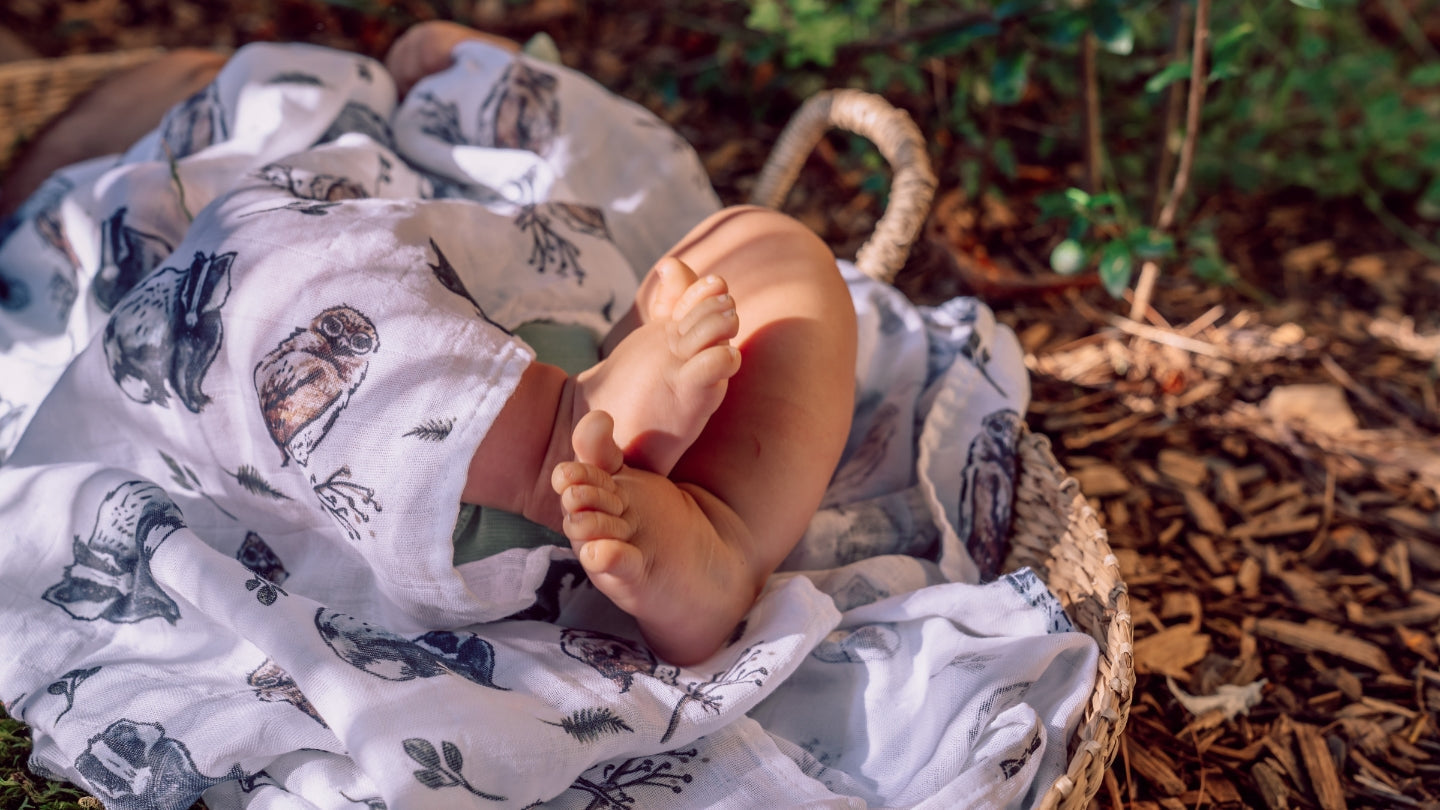
Textile selections not just impact breathability yet likewise play an important function in an infant's sensory experience. Babies are specifically sensitive to textures, and the appropriate fabric can improve their comfort and total state browse around these guys of mind. Soft, natural materials like cotton and bamboo are often liked, as they give a mild touch versus the skin, reducing inflammation. Alternatively, synthetic or rough textiles may lead to discomfort, motivating fussiness or distress. This level of sensitivity can affect how an infant interacts with their atmosphere. Parents require to be mindful of fabric selection, as it can considerably affect a youngster's emotional well-being. Ultimately, choosing comfy textiles is necessary for promoting a favorable sensory experience, contributing to a delighted and satisfied infant.
Tips for Choosing the most effective Baby Clothes for Comfort
When selecting child garments for convenience, moms and dads ought to focus on soft, breathable materials to ensure their kid stays cozy throughout the day. Fabrics like cotton and bamboo are exceptional choices, as they permit for airflow and lessen irritation against delicate skin.
Additionally, moms and dads need to consider the fit of the apparel; loose-fitting garments give ample room for movement, making certain that babies can check out without constraint.
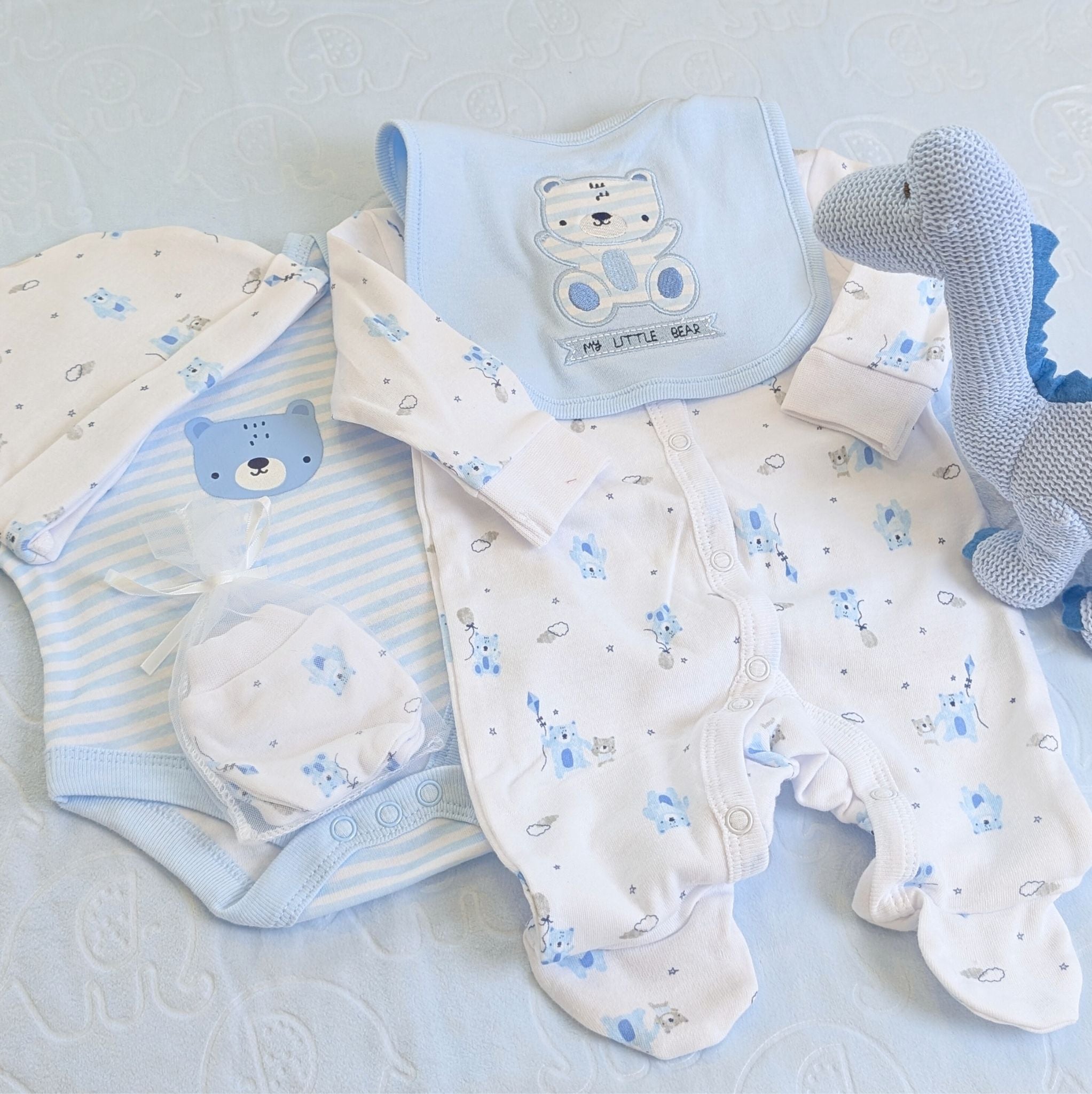
Moms and dads ought to additionally think about the climate; layering choices are valuable for varying temperature levels, permitting for simple adjustment.
Ultimately, selecting user friendly bolts, such as breaks or zippers, can enhance clothing and baby diaper changes, further boosting comfort. By concentrating on these aspects, moms and dads can create a comfortable wardrobe that supports their youngster's wellness and development.
Frequently Asked Inquiries
Exactly how Commonly Should I Wash My Infant's Clothes?
Experts recommend cleaning a baby's clothes after every wear, especially if they become soiled. For sensitive skin, utilizing gentle cleaning agents and avoiding material softeners is advisable to keep textile stability and lessen irritation dangers.
What Sizes Should I Get for My Growing Infant?
For a growing child, it is advisable to buy dimensions that accommodate their existing age and weight, opting for a dimension bigger when doubtful. This guarantees convenience and durability as they remain to expand.
Exist Infant Clothes Suitable for Delicate Skin?
Yes, there are infant clothing made especially for sensitive skin. These garments usually feature soft, breathable materials like natural cotton and prevent harsh dyes or chemicals, ensuring convenience and decreasing the danger of inflammation for delicate skin.
Can Child Clothes Be Safely Dried in a Dryer?
Child clothes can usually be securely dried in a dryer, yet it is vital to check care labels. Making use of a reduced warm setting assists stop shrinkage and keeps the integrity of the fabric.
How Can I Inform if Child Clothes Fit Correctly?
To figure out correct suitable for child clothing, one should look for snugness without limiting motion, guarantee joints straighten with shoulders and crotch, and validate that garments permits simple undressing and dressing without too much rigidity. Blz baby clothes.
Selecting proper fabrics for have a peek at this website baby clothes is vital for their comfort and general development. Choosing the right fabric for infant clothing plays a substantial function in making certain comfort. Breathable fabrics play a crucial duty in controling an infant's body temperature level, enhancing the comfort supplied by soft cotton. Comfy and breathable products can boost a baby's comfort, while sensory-sensitive babies might respond adversely to harsh or synthetic materials. Choosing breathable textiles for baby clothes is vital, as it greatly influences a child's comfort and overall mood.